
Smart export arrangements pay for electricity your home sends to the grid, commonly from solar. When you charge an EV from your own generation instead of exporting, you forgo that export payment but also avoid importing later at your import unit rate. The better choice depends on the spread between export and import prices, when the car is plugged in, and whether a time-of-use tariff changes night import costs. Standing charges sit outside that comparison. Use illustrative rates only for sketches, then plug in your real SEG and import figures.
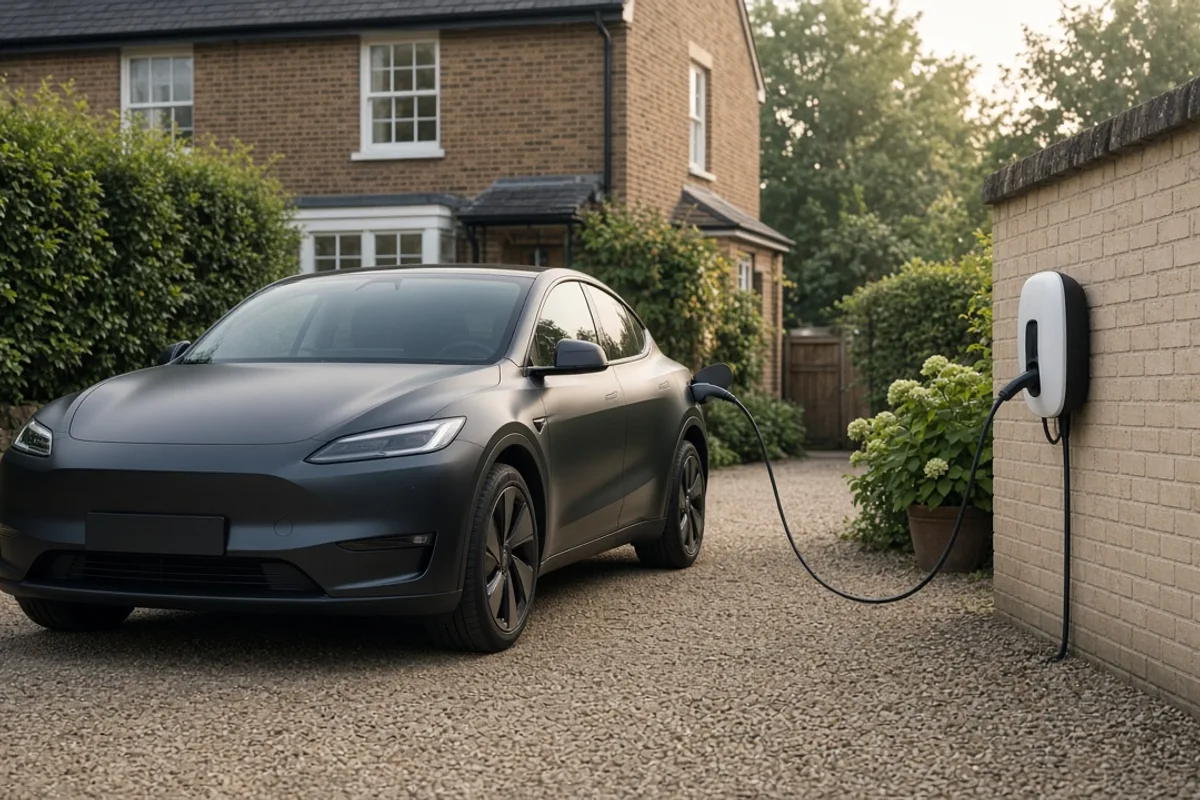
Export payment versus self-consumption
If export pays comparatively little and import costs more, using surplus solar in the car often wins when the car is present. If you already enjoy a very cheap overnight import rate, it can sometimes be better to export daytime solar and charge the car at night.
Write both scenarios with the same monthly kWh assumptions before changing charger modes.
Metering and data you need
You need clarity on how export is metered, how import half-hourly or daily data appears, and whether the charger reports energy by source. Without data, people guess and then blame the hardware.
Smart meter functionality and supplier access matter as much as the wallbox brand.
- Collect recent import unit rates by period.
- Collect your export rate and settlement basis.
- Estimate daytime plug-in hours for the car.
Standing charges stay on the bill
Export income does not cancel the standing charge. Neither does EV ownership. Keep fixed daily costs in the whole-bill view when you decide whether solar-plus-EV still meets your savings target.
Automation pitfalls
Aggressive solar diversion can leave you importing in the evening for cooking while the car sat on solar at noon that you would rather have exported. Prioritise house essential loads if your controller allows.
Document the mode you enabled after installation so a future electrician understands the intended behaviour.
Policy and product checks
SEG and related export products have eligibility and device requirements. Confirm your inverter and metering still qualify after electrical changes for the EV circuit.
Ofgem scheme pages and your supplier terms override blog summaries.
Frequently asked questions
Does charging my EV kill my export income?
It reduces export for those kWh you divert into the car. Whether that is financially wise depends on import versus export prices and timing.
Is SEG the only export option?
It is the main nationwide framework discussed for small-scale export payments, but product details vary by supplier. Read your contract.
Should I always prefer self-consumption?
No. Cheap overnight EV tariffs can flip the logic. Run the numbers for your household pattern.
Do I need a special EV charger for SEG?
SEG concerns export from generation metering. A solar-aware charger is optional for optimisation, not the core SEG qualification.
Core buying guides
Start with these high-intent guides, then dig into the rest of the library.
Related guides
Sources and further reading
How this guide was prepared
This guide was written by the Local EV Installers Editorial Team. We compare official guidance, legislation and established consumer information, separate general information from project-specific advice, and show publication dates and sources. We do not accept installer accreditation claims at face value.