
Retail park destination charging should match typical dwell times: supermarket shops often suit mid-power DC or stronger AC, while longer leisure visits can lean on AC with good amenities. Success depends on bay placement near entrances, open payment, uptime monitoring and a grid plan that does not brown-out the mall when every bay hits at once. Landlord and network-operator partnerships are common. Any grant contribution is secondary to footfall and lease strategy, and must still be checked on GOV.UK if claimed. Design for accessibility and queue management from day one.
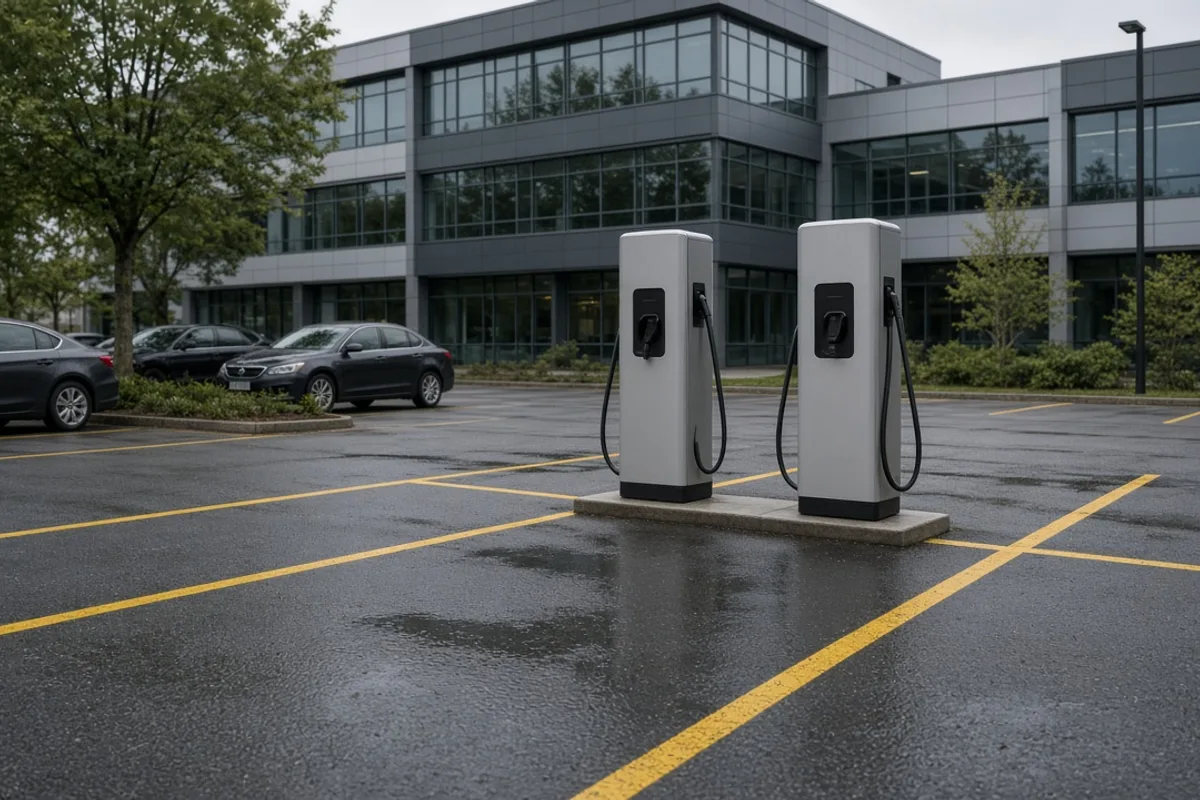
Match power to basket time
A twenty-minute grocery run needs different power than a cinema visit. Overspecified DC that sits idle wastes capital; underspecified AC frustrates drivers who expected a meaningful top-up.
Use tenant dwell data where shopping centres already collect it.
Placement and commercial politics
Bays beside the prime entrance raise utilisation and tenant politics. Rotate premium adjacency fairly or tie charging to park-wide wayfinding so one anchor does not monopolise.
Keep trolley routes and emergency access clear of charger islands.
- Visible from approach roads without unsafe last-second cuts
- Lit, CCTV-covered and signed for payment help
- Accessible bays with appropriate space
Grid, load and phased unlocks
Retail parks often have diversity headroom that disappears when charging scales. Load management and phased energisation beat a big-bang switch-on that trips the site.
Engage the DNO early if DC hubs are planned.
Payment, roaming and uptime
Drivers expect app, RFID and contactless options consistent with wider UK public charging expectations. Remote monitoring with a four-hour fix culture protects reviews for the whole park.
Publish live status if your network allows.
Contracts and grants
Revenue share with chargepoint operators, landlord-owned assets, or tenant-sponsored bays each need different clauses. Grants, where eligible, will not replace a weak commercial model. Verify OZEV pages before including grant income in investment papers.
Frequently asked questions
Should every retail park chase ultra-rapid hubs?
Only where dwell, grid and brand strategy support it. Many parks do better with reliable destination AC and a smaller DC complement.
Who is liable if a charger damages a car?
Contracts should allocate maintenance, inspection and public liability clearly between landlord, operator and installer. Do not leave it implied.
Can staff use destination bays?
If allowed, use separate tariffs or off-peak staff rules so guest capacity remains.
Do we need planning for new islands?
New structures, canopies, lighting and changes to parking layouts often need consent. Check with the local planning authority.
Core buying guides
Start with these high-intent guides, then dig into the rest of the library.
Related guides
Sources and further reading
How this guide was prepared
This guide was written by the Local EV Installers Editorial Team. We compare official guidance, legislation and established consumer information, separate general information from project-specific advice, and show publication dates and sources. We do not accept installer accreditation claims at face value.