
Mixed-use buildings combine residential, office and retail demands on one parking and electrical ecosystem. Charging design must separate access rights, billing and peak loads so overnight residents do not fight daytime workers for the same sockets unmanaged. Governance usually sits with the landlord or estate manager through a communal system rather than dozens of one-off wallboxes. Grant routes may differ by user type, so verify OZEV options on GOV.UK rather than filing one claim style for every bay. A load-managed backbone with spare ducting is the usual future-proof move.
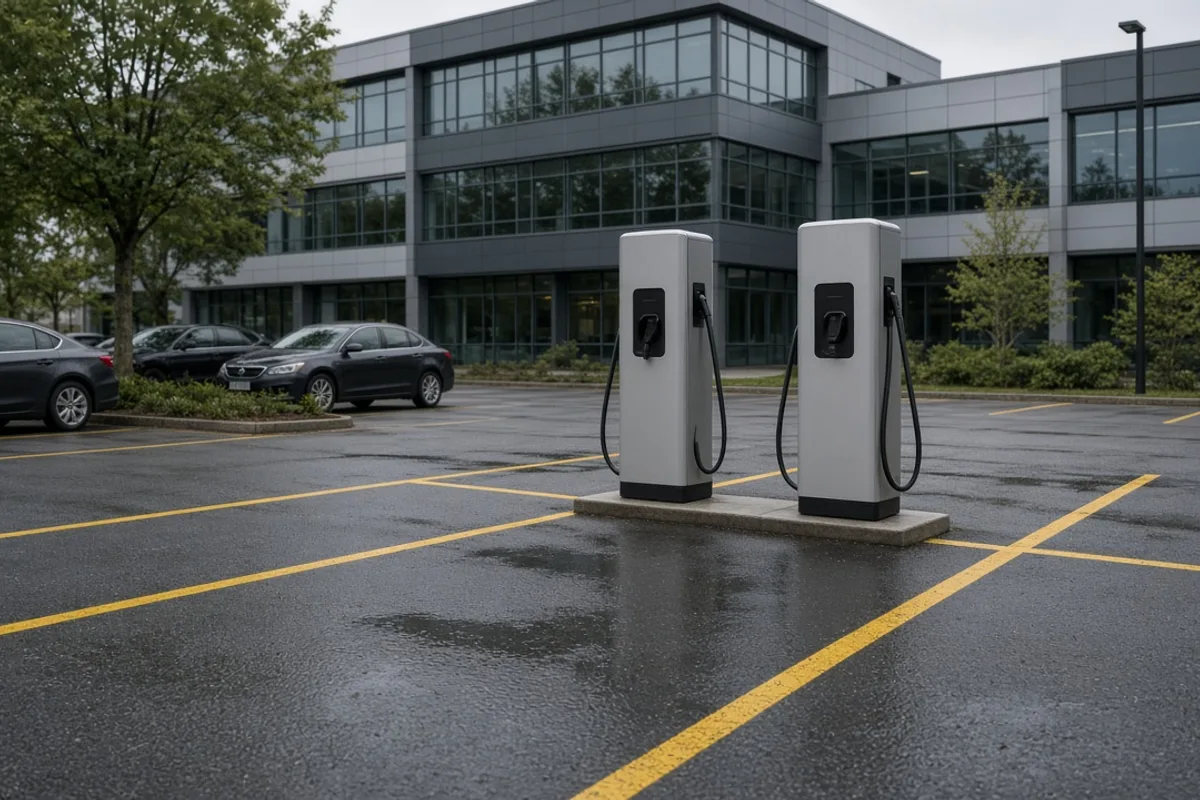
User groups and conflicting peaks
Residents peak overnight, offices peak daytime, retail peaks evenings and weekends. A single unmanaged bank of chargers will feel broken to someone every day.
Allocate bay classes or time windows in the operating plan before electrical design locks in.
Governance that installers cannot invent
Resident management companies, commercial head leases and retail licences all touch parking. One alteration policy should state how private resident sockets, communal paid bays and visitor short-stay points are approved.
Without that policy, each survey becomes a political incident.
- Bay schedule by tenure
- Electricity cost recovery method
- Fault response ownership
Electrical backbone
A landlord distribution board with metered outlets and dynamic load management beats ad hoc tapping of random tenant boards. Fire stopping, smoke control and basement cable routes need coordinated design.
Spare ways and duct stubs cost little during a refurb and a lot afterward.
Grants without crossed wires
A resident in a flat may claim a household route for a sole-use bay, while the landlord claims a multi-socket landlord or workplace route for communal points. Mixing evidence packs causes reclaim risk.
Check GOV.UK for each applicant type and keep sockets uniquely identified.
Wayfinding and safety
Clear signs, accessible bays, CCTV coverage and non-trailing cable management protect mixed publics who do not know the building's informal rules.
Publish a simple QR or poster for "charger not working" rather than directing everyone to a silent facilities inbox.
Frequently asked questions
Can each flat just fit its own charger?
Only where leases, capacity and bay rights allow. Many mixed-use basements need a landlord strategy instead.
Who pays for the DNO upgrade?
Usually the party that benefits under the estate cost rules, often via service charge or landlord capital. Agree this before ordering switchgear.
Should visitor bays be rapid DC?
Short retail visits may justify a small DC presence. Residential overnight demand still leans AC.
Is planning always required?
Not always for small EV chargepoint installs on private land, but mixed-use facades, listed fabric and large arrays often need a consent check.
Core buying guides
Start with these high-intent guides, then dig into the rest of the library.
Related guides
Sources and further reading
How this guide was prepared
This guide was written by the Local EV Installers Editorial Team. We compare official guidance, legislation and established consumer information, separate general information from project-specific advice, and show publication dates and sources. We do not accept installer accreditation claims at face value.