
EV charging circuits need residual-current protection that matches the charger. Many designs use a Type A RCD together with equipment inside the charger that handles DC fault current, often described as 6 mA DC protection. A Type B RCD is another route when the charger does not provide that measure. An old Type AC RCD, still seen on some boards, is not the right device to put a modern charger behind.
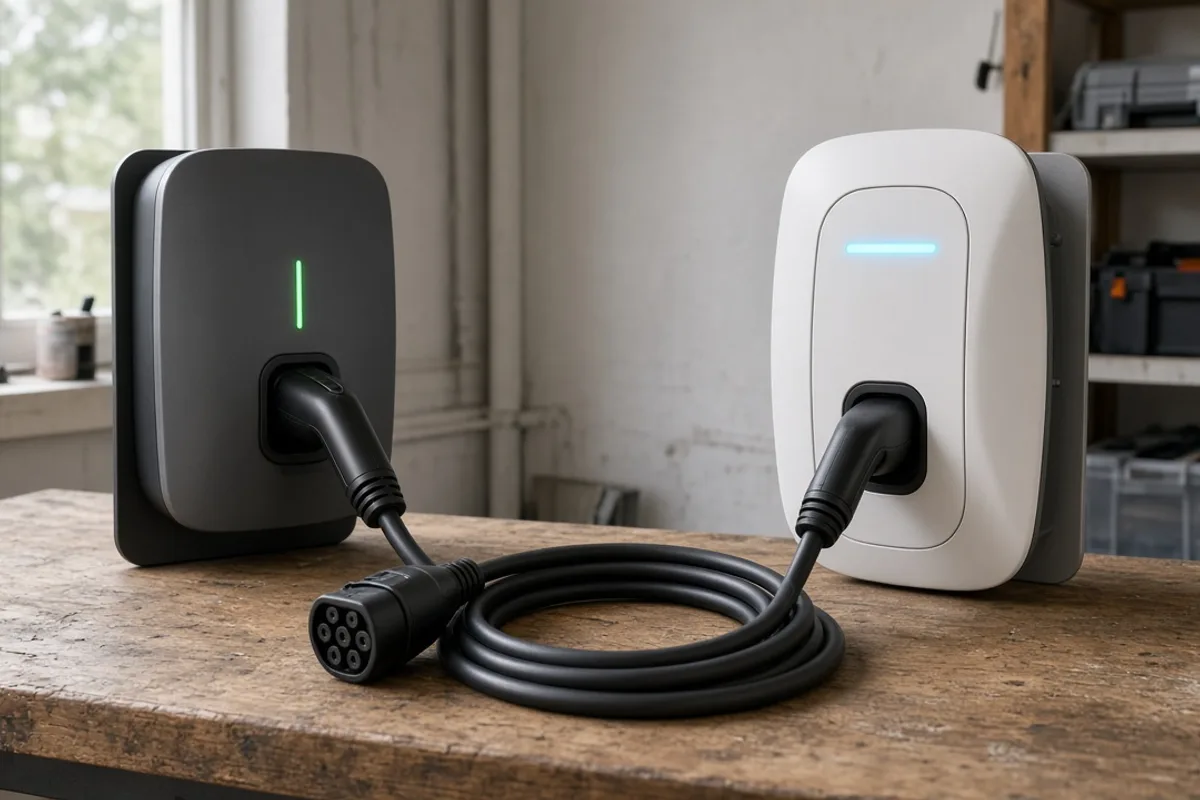
The price effect of type A RCD protection for EV chargers
The correct device is a small part of the materials bill and a large part of the safety case. Do not delete it to save money. If a quote is silent on RCD type, it is not a finished design.
A miss that shows up later: type A RCD protection for EV chargers
The mistake is fitting a charger downstream of a Type AC RCD because 'it still trips when I press the button'. The test button does not prove the device is the right type for the charger.
Write type A RCD protection for EV chargers into the quote
Get the protective device type and the charger model on the certificate. They have to match the design that was agreed.
Type A RCD protection for EV chargers
The choice is a pair: what the charger contains, and what is in the consumer unit. Doubling up incorrectly can cause nuisance trips or leave a gap. This is why the installer should read the charger instructions instead of adding a random RCBO from the van.
- Type AC is the usual problem on old boards
- Type A plus 6 mA DC detection is a common pair
- Type B is the other recognised route
- The charger manual decides the combination
Check type A RCD protection for EV chargers before you accept a price
Ask which RCD type is proposed and whether the charger has integrated DC leakage protection. If you are keeping an old board, this question often decides that the board must change.
Frequently asked questions
What is 6 mA protection?
A measure, often inside the charger, aimed at smooth DC fault current that can blind some RCDs. It is not a substitute for the whole earthing design.
Will the wrong RCD fail the certificate?
A competent installer should not certify a design they know is wrong. If someone offers to, do not use them.
Do I need a Type B for every brand?
No. Only if the instructions for that charger require it because the unit does not provide the alternative measure.
Can solar and the charger share one RCD?
Sometimes a shared upstream RCD causes nuisance trips. The designer should separate circuits where that is the right call.
Core buying guides
Start with these high-intent guides, then dig into the rest of the library.
Related guides
Sources and further reading
How this guide was prepared
This guide was written by the Local EV Installers Editorial Team. We compare official guidance, legislation and established consumer information, separate general information from project-specific advice, and show publication dates and sources. We do not accept installer accreditation claims at face value.