
Overnight EV charging on a cheap rate means your car takes most of its energy in the low-price window on a time-of-use tariff, usually while you sleep. A typical UK home wallbox at about 7kW can add a large share of a daily commute pack in that window if the schedule starts on time and the car stays plugged in. The cheap rate only helps if three things line up: the tariff hours, the charger schedule or smart tariff link, and the car actually being on the drive with a working cable. Daytime Rapid or Hub sessions still have a place for long trips. For ordinary weekday miles, the money is almost always in the overnight plug, not in chasing public plugs after work.
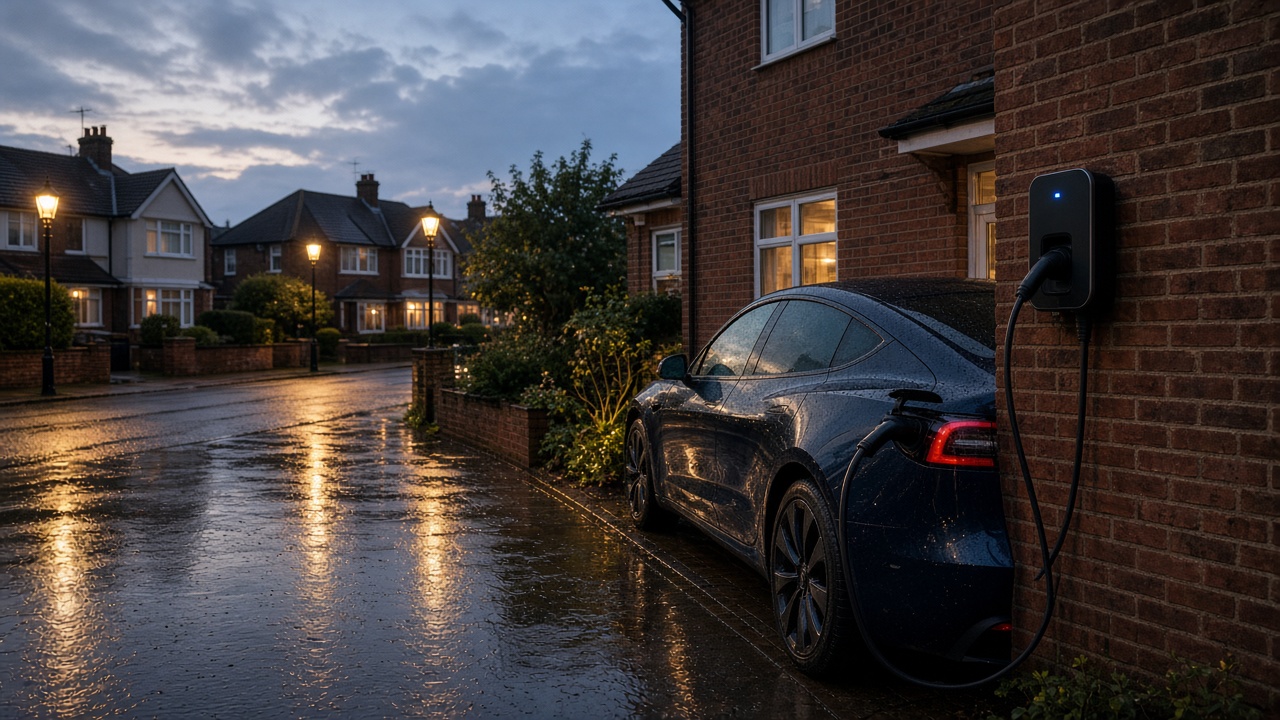
What a cheap overnight rate is really selling you
A flat unit rate treats every kilowatt hour the same. A time-of-use EV tariff cuts the price for a block of night hours and often raises the daytime price a little to balance the product. Names change by supplier. The idea does not. You move the heavy charging into the cheap block and keep daytime house use as lean as you reasonably can.
Ofgem's price cap still shapes many standard variable deals, but EV products sit beside that world with their own overnight windows. Always read the live tariff sheet for your postcode and meter type. The hours on a comparison advert are not a promise that your meter is already enrolled.
Intelligent-style products go a step further. Instead of only a fixed cheap window, the supplier and the car or charger may agree a ready-by time and then fill the battery when wholesale power is cheap inside that overnight stretch. Energy Saving Trust guidance on home charging still starts from the same household truth: the cheapest bulk energy for most drivers with off-street parking is the electricity that arrives while the car sleeps on the drive.
None of this needs a science degree. It needs a plug habit. If the car sits unplugged until breakfast because the lead is in the boot, the tariff cannot help you.
What about 7kW will add before you wake up
A common UK single-phase home charger delivers around 7kW. In simple terms that is about 7 kilowatt hours in one hour, before small losses in the cable and the car. Across a five hour cheap window you might add on the order of 30 to 35 kWh if the car accepts that rate for the whole stretch. Many daily UK commutes use far less than that. A longer motorway day may need more, or a top-up later.
Battery size and state of charge matter. A car that arrives home at 40 percent will take a different overnight shape from one that arrives almost empty. Cold nights can slow charging a little while the pack warms. The wallbox rating is a ceiling, not a guarantee that every car will pull 7kW for five straight hours.
Plug-in hybrids with small packs often finish early in the cheap window. That is fine. The schedule should still start inside the cheap hours so you are not finishing the last 20 percent on the expensive morning rate by accident.
If your life needs a fuller pack by 06:30 every weekday, set the ready-by time in the car or tariff app and let the schedule work backwards. Do not leave the charger on Manual All Day and hope you remember to stop it at breakfast.
Schedules, smart links and the three places settings hide
Home charging control usually lives in one of three places: the wallbox app, the car's charge schedule, or a supplier smart tariff link that talks to the car or charger. Pick a primary brain. If the wallbox says charge from 00:30 and the car says wait until 04:00, you get a confusing night and a bill that does not match the story in your head.
A fixed schedule is easy to understand. Cheap window 00:30 to 05:30, charger armed only then, car set to accept charge whenever power arrives. A smart tariff link can move the fill inside the night to chase lower wholesale prices, as long as the car is ready by your morning departure. Both work. Mixing them without a plan does not.
Wi-Fi dropouts are a quiet bill killer. If the smart schedule lives in the cloud and the charger falls offline, some units fail safe to a default that either refuses to charge or charges whenever plugged in. Ask the installer what your model does offline. Write it on a card in the meter cupboard. The first time the router dies on a Sunday you will be glad you know.
Load management and solar modes are separate stories. A solar divert mode that only tops up from the roof will not fill the car on a dark January night. An EV tariff schedule wants grid power in the cheap window on purpose. Make sure the mode name on the screen matches the bill you are trying to build.
- Choose one schedule owner: charger, car, or smart tariff
- Set a ready-by time that matches when you actually leave
- Test one weekday and read the session kWh against the tariff hours
- Ask what happens when the home broadband drops overnight
The mistakes that quietly burn the cheap window
Plugging in at 18:30 on Immediate charge is the classic one. The car drinks expensive early evening power, hits a high state of charge before midnight, then idles through the cheap window with little left to take. Your tariff looks clever on the website and average on the statement.
A second mistake is a cheap window that does not match your parking. If the vehicle is at a hospital bay until 01:00 three nights a week, a 00:30 start at home is theatre. Write the real return times for a normal week before you pick a product.
A third mistake is trusting the public Rapid network for bulk weekday miles when you have a working drive charger. Rapid has a clear job on long trips and emergencies. Paying Rapid prices for the Tuesday commute because the home schedule was never set is how EV running costs get a bad name they do not deserve.
Cable theatre counts too. A tethered lead that will not reach the charge port in the way you park, an untethered socket with the Type 2 lead still in the boot, or a shared drive where someone unplugs you at 22:00 will all defeat the tariff. Fix the reach and the household rules before you argue with the supplier app.
How this sits with grants, survey and safety
Grant rules change. Many driveway owner-occupiers now self-fund a straightforward wallbox while support leans toward flats, renters and harder sites. Check the live GOV.UK collection before you subtract a grant from a quote. The overnight tariff is a running-cost tool. It is not a substitute for a safe dedicated circuit, correct earthing arrangements and a proper notification where required.
Electrical Safety First guidance is blunt for a reason. Mode 2 leads through windows are not a long-term home charging plan. A surveyed wallbox on a dedicated circuit is the hardware that makes overnight cheap-rate charging boring and repeatable.
On the survey, say when you leave for work and which tariff you already have or plan to take. A good installer will commission the schedule with you before they pack the van, not leave a glossy app tour and a default that charges at 17:00.
If you also have solar or a home battery, overnight EV charging still often uses cheap grid units on purpose. Solar may cover summer evenings. Winter nights are mostly tariff territory. Keep the stories straight so the inverter mode and the EV schedule are not fighting each other.
A simple way to check you are winning
After one full cheap window, open the charger or car session history. Note start time, end time and kilowatt hours. Compare that block with the tariff's cheap hours. If most of the kWh sit inside the window, you are doing the job. If a fat slice sits in the evening peak, fix the schedule before you blame the unit rate.
Then look at a month of driving. If weekday miles are mostly covered by those overnight sessions, public charging should shrink to trips and odd gaps. That is the pattern Energy Saving Trust and most practical UK drivers are aiming at when they talk about home charging first.
When you change supplier, change car, or add a second vehicle, revisit the ready-by times the same week. Old schedules on a new tariff are how people quietly charge on the wrong rate for months.
The dull headline is the useful one. Plug in when you park. Charge in the cheap window. Leave with enough range for the day. Everything else is detail on top of that habit.
Frequently asked questions
Is overnight charging bad for the battery?
Modern EVs manage pack temperature and charge rates. Finishing overnight on a scheduled AC charge is normal UK use. Follow the car maker's advice on daily charge limits if you want to stay below 100 percent for everyday miles.
Do I need a smart charger for a cheap overnight tariff?
You need a way to start and stop inside the cheap window. That can be the wallbox schedule, the car schedule, or a smart tariff link. A dumb switch that is always live will not protect you from peak rates.
What if I get home after the cheap window starts?
Plug in as soon as you arrive. You will still take the remaining cheap hours. If you often miss most of the window, pick a tariff shape that matches your shifts or accept more daytime charging.
Will 7kW fill my car every night?
It will cover many daily drives with room to spare. A near-empty large pack or a very short cheap window may need a longer plug time or an occasional extra session. Check your real commute kWh, not the brochure range.
Should I unplug when the cheap window ends?
A proper schedule should stop the charge for you. If your setup only has a manual mode, yes, stop it when the cheap hours end, or you risk morning peak rates.
Core buying guides
Start with these high-intent guides, then dig into the rest of the library.
Related guides
Sources and further reading
How this guide was prepared
This guide was written by the Local EV Installers Editorial Team. We compare official guidance, legislation and established consumer information, separate general information from project-specific advice, and show publication dates and sources. We do not accept installer accreditation claims at face value.