
The Electric Vehicle Homecharge Scheme (EVHS) was the well-known UK grant that helped many households toward the cost of a home chargepoint, often remembered as around £350 off eligible installs. It is no longer the live framing for most 2026 driveway homeowners. OZEV now points people to targeted chargepoint grants for flats and renters, landlords, on-street households and workplaces. If a quote still subtracts EVHS automatically, ask for the named live scheme and a GOV.UK link before you budget.
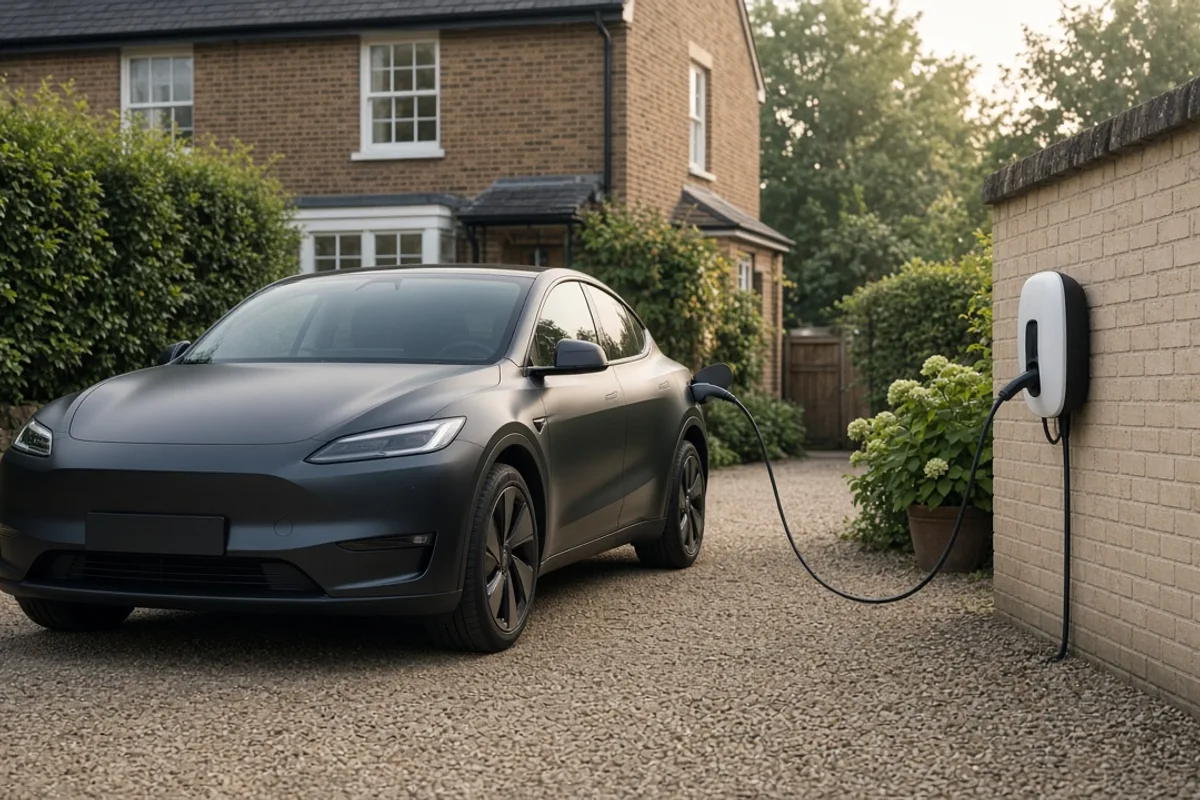
What EVHS did well
EVHS normalised dedicated home charging and brought authorised installers and approved units into a mass-market process. The pound figure stuck in public memory even after policy moved on.
That memory still shapes customer expectations, which is why clear sales conversations matter in 2026.
Why policy moved to targeted grants
As chargepoint prices fell and EV adoption rose among driveway households, government support shifted toward people with harder access problems and toward workplaces that unlock daytime charging.
Targeting tries to spend public money where private installs are less likely to happen unaided.
What to read instead of EVHS pages
Use the GOV.UK chargepoint grants hub, then open the specific route for renters and flat owners, residential landlords, on-street households or workplace charging. Read the April 2026 changes page if you are comparing older articles with new caps.
Energy Saving Trust and Ofgem explain home charging practice, but only GOV.UK states grant law and scheme rules.
- Ignore marketplace listings that still shout EVHS without a date
- Ask installers which scheme code they will claim under
- Keep screenshots of eligibility on the day you apply
If you claimed EVHS before
Previous claims often block a second household grant. Do not assume a top-up exists because caps rose in later years.
If you are relocating to a flat or rental that might qualify on its own merits, read the live rules carefully rather than relying on forum posts.
Budgeting without the EVHS habit
Price the install gross, then apply only a confirmed live grant. For many owner-occupier driveway homes the honest budget is the full survey quote.
Compare value through scope quality, warranty and electrical safety, not through nostalgia for a closed contribution.
Frequently asked questions
Is EVHS still open in 2026?
Treat EVHS as closed historical branding. Use current OZEV chargepoint grant pages on GOV.UK for anything you might still claim.
Why do installers still mention £350?
It is the memorable EVHS-era figure and an older cap level customers recognise. Live schemes may publish different maxima. Verify before you sign.
Did EVHS require smart chargers?
Approved product lists and authorised installers were part of the EVHS model, and smart functionality remains central to later UK policy. Check current approved lists for any live claim.
Where can I see what replaced it?
Start at the GOV.UK electric vehicle chargepoint grants guidance and the page covering changes from 1 April 2026.
Core buying guides
Start with these high-intent guides, then dig into the rest of the library.
Related guides
Sources and further reading
How this guide was prepared
This guide was written by the Local EV Installers Editorial Team. We compare official guidance, legislation and established consumer information, separate general information from project-specific advice, and show publication dates and sources. We do not accept installer accreditation claims at face value.